国家5A · 格鲁派宗主道场 National 5A · Gelugpa Sanctuary

塔尔寺 (Kumbum Monastery)

Kumbum Monastery (Ta'er Temple)

塔尔寺位于西宁市区西南25公里的湟中区莲花山坳,始建于明洪武十二年(1379年),藏语称“衮本贤巴林”,意为“十万狮子吼佛像的弥勒寺”。这里是藏传佛教格鲁派(黄教)创始人宗喀巴大师的诞生地,全国重点文物保护单位与藏传佛教圣地。

寺院依山而筑,由大金瓦殿、小金瓦殿、大经堂、九间殿、八宝如意塔等众多殿堂与僧舍组成的庞大藏汉合璧建筑群。核心大金瓦殿为三层歇山顶建筑,殿顶覆盖纯金金瓦1,300余两,殿内矗立高12.5米的纯银包金宗喀巴大师纪念塔;广场前的“八宝如意塔”则纪念释迦牟尼佛一生八大功德,是塔尔寺最具辨识度的标志建筑。

Set against the Lotus Mountain in Huangzhong District, Kumbum Monastery was founded in 1379 to commemorate the birth of Je Tsongkhapa. It is one of the six great seats of the Gelug school of Tibetan Buddhism.

The Grand Golden Tile Hall features a triple-tiered roof clad in gilded bronze tiles enclosing a 12.5-meter silver reliquary stupa. Outside, the Eight Sujata Stupas commemorate significant events in the life of Gautama Buddha.

塔尔寺艺术三绝与参访礼仪

Three Master Arts & Etiquette

艺术三绝:1. 酥油花(每年农历正月十五元宵夜展出,以纯白酥油掺矿物颜料在低温中雕捏出佛像花草,巧夺天工);2. 壁画(以金银及纯矿物颜料彩绘,数百年光彩如新);3. 堆绣(用名贵丝绸织锦剪贴垫棉堆缝于绸缎上,具有强烈浮雕立体感)。
参访禁忌:寺内严禁拍摄佛像与磕长头的信众;进入殿堂必须顺时针绕行;不可踩踏门槛;不可吸烟喧哗或戴帽戴墨镜。

The Three Master Arts comprise butter sculptures carved in freezing temperatures, vibrant mineral-pigment murals, and three-dimensional barbola silk appliqués. Respectful etiquette requires walking clockwise around shrines, never stepping on thresholds, and strictly refraining from photographing deities or monks.
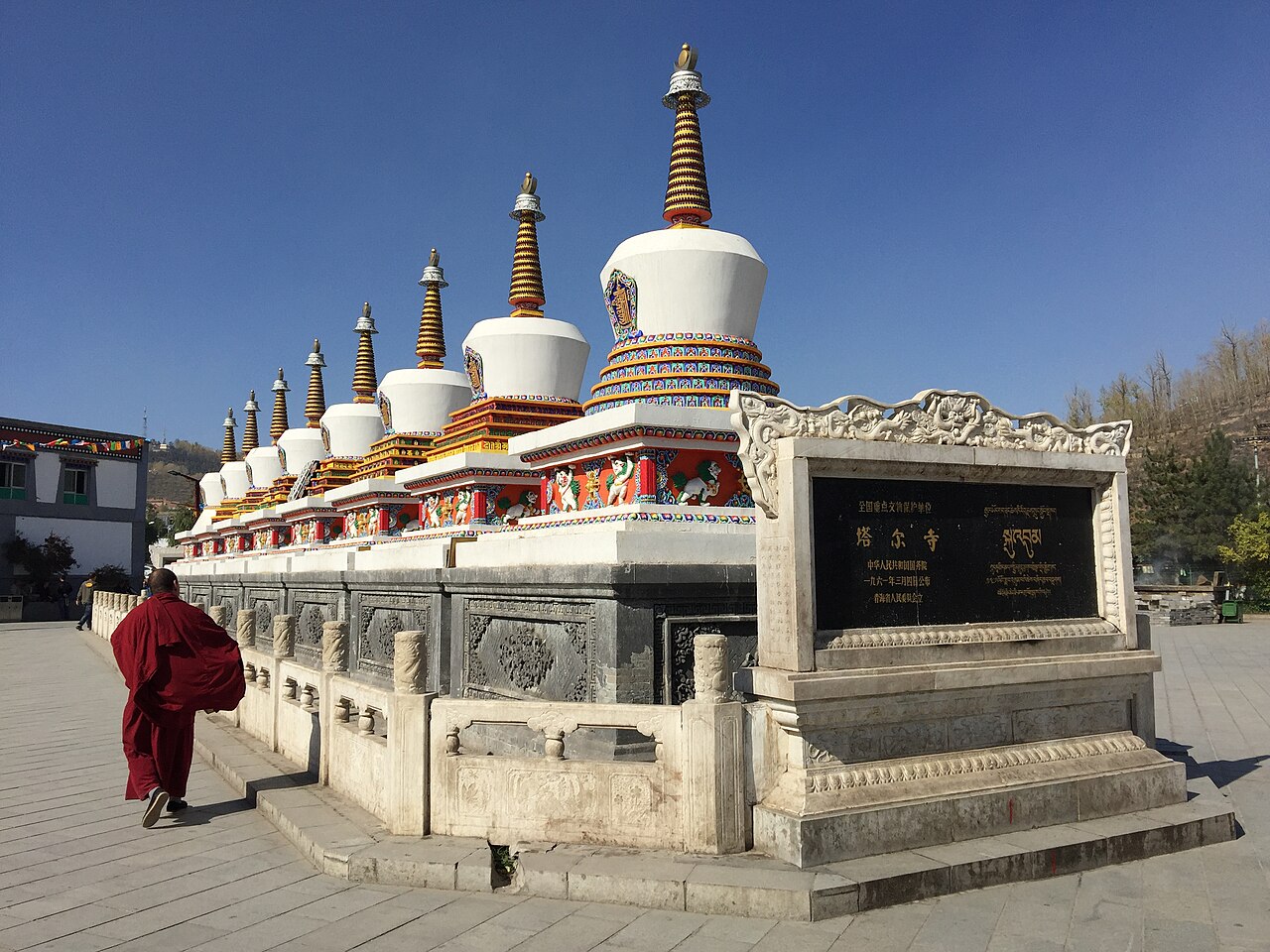
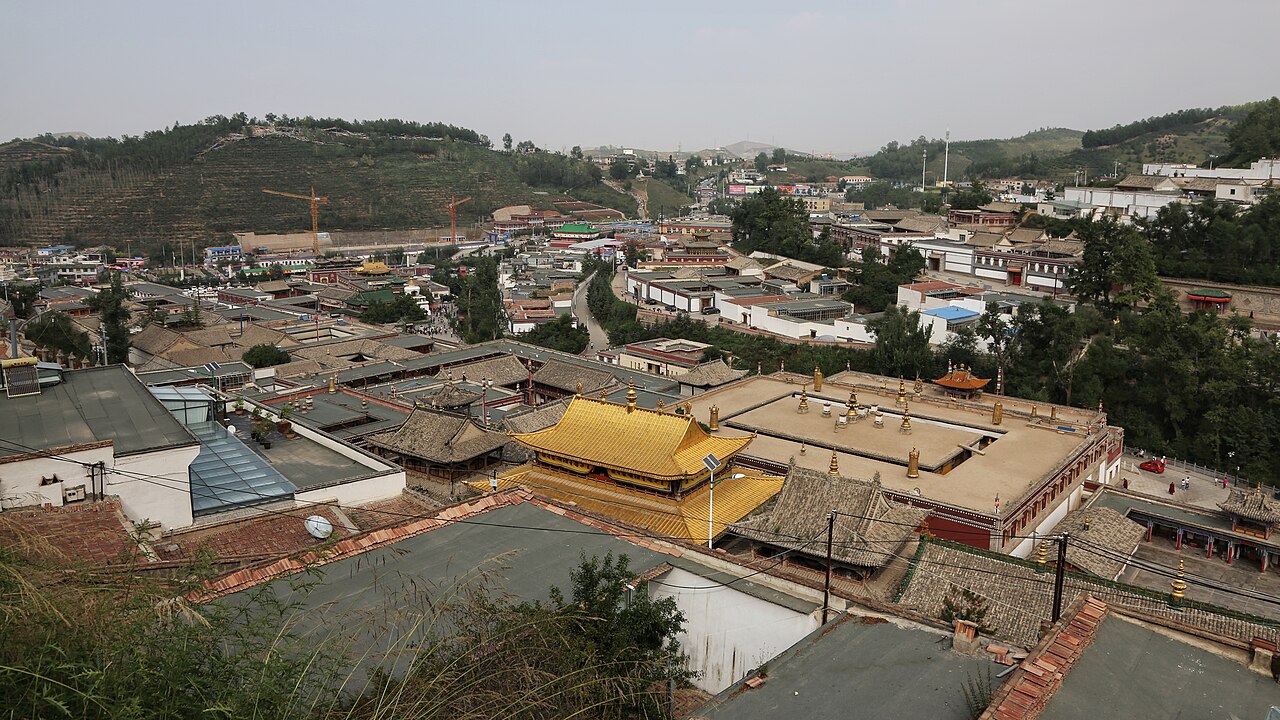
塔尔寺红墙金顶与八宝如意塔群 依山起伏的塔尔寺僧舍红白建筑群天际线
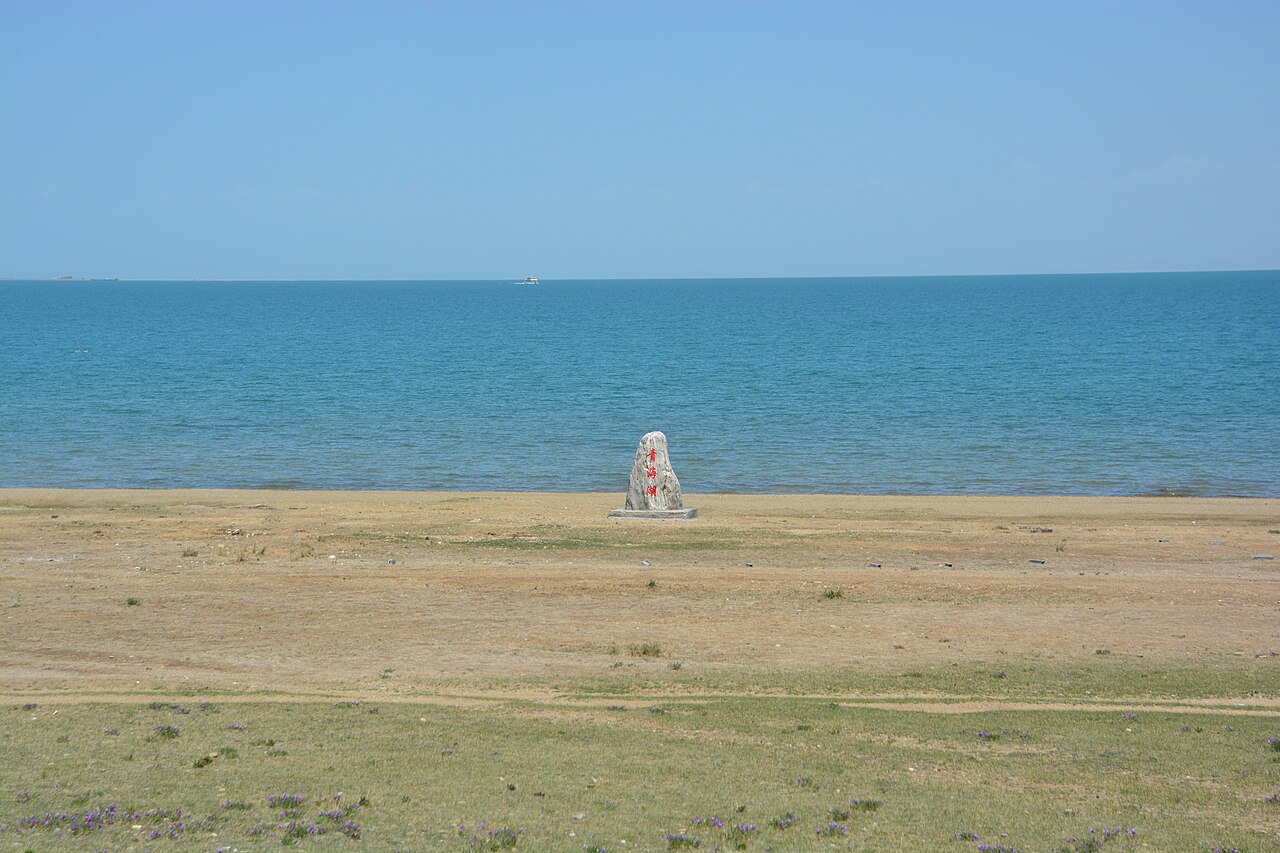
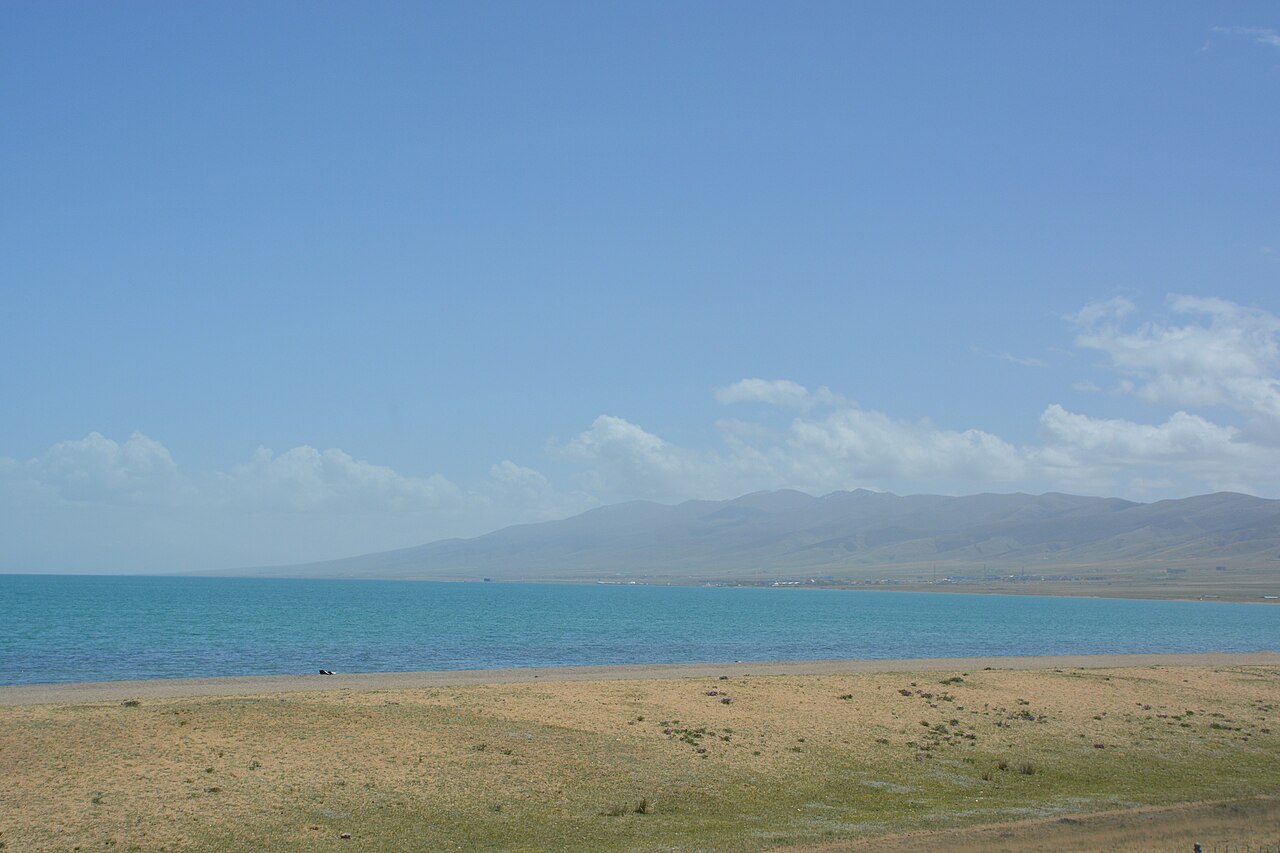
青海湖东部辽阔蔚蓝如海洋的高原水面与洁白浮云 青海湖湖畔盛开的万亩明黄色油菜花海与湖天一色
中国最大内陆咸水湖 · 蓝宝石 Largest Inland Salt Lake · 5A

青海湖 (Qinghai Lake)

Qinghai Lake (Koko Nor)

青海湖位于青藏高原东北部,湖面海拔3,196米,面积达4,583平方公里。它是地质构造断陷形成的巨大封闭内陆高原盆地,汇集了布哈河等40余条冰雪融水河流。湖水含盐量约为1.4%,水体因矿物质沉淀与高空散射呈现不可思议的湛蓝纯净色彩。

每到盛夏7月至8月,青海湖东岸与南岸二郎剑景区一带数十万亩油菜花同时盛开,宛如在大地铺就金黄色的巨大织锦,与浩瀚无垠的碧蓝湖水、天际圣洁的雪峰白云相映成趣。湖中特产国家二级保护动物“青海湖裸鲤”(湟鱼),每年端午前后逆流洄游各淡水支流产卵,形成“半河清水半河鱼”的高原生态奇观。

Perched at 3,196 meters with an expanse of 4,583 km², Qinghai Lake is China's largest lake. Known in Tibetan as Tso Ngombo ("Blue Lake"), it is fed by glacial melt from surrounding alpine ranges.

Midsummer transforms the eastern and southern shores around Erlangjian into seas of golden canola blossoms meeting turquoise horizons. It is also the sole habitat of the endemic naked carp (Gymnocypris przewalskii), celebrated for its annual mass upstream spawning migration.

西宁出发环湖游览建议

Travel Advice from Xining

西宁是游览青海湖的最佳集散基地。自西宁出发经湟源、日月山、倒淌河抵达青海湖东门仅需2至2.5小时车程。常规推荐【青海湖一日游环线】或【青海湖+茶卡盐湖2日经典游】;环湖公路全程360公里路况优良,是举世闻名的环青海湖国际公路自行车赛赛道。

Xining is the natural departure gate for the lake. Driving via Riyue Mountain takes roughly 2 hours. Travelers can embark on classic 1-day or 2-day itineraries combining Qinghai Lake with the Chaka Salt Lake flatlands.

六百年古寺 · 中阿建筑合璧 Ming Dynasty Heritage Mosque

东关清真大寺 (Dongguan Mosque)

Dongguan Great Mosque

东关清真大寺坐落于西宁市城东区东关大街,创建于明洪武初年(约1380年),是青海省规模最大、历史最悠久的清真寺,与西安化觉巷大寺、兰州桥门大寺、新疆喀什艾提尕尔清真寺并称为西北四大清真寺。

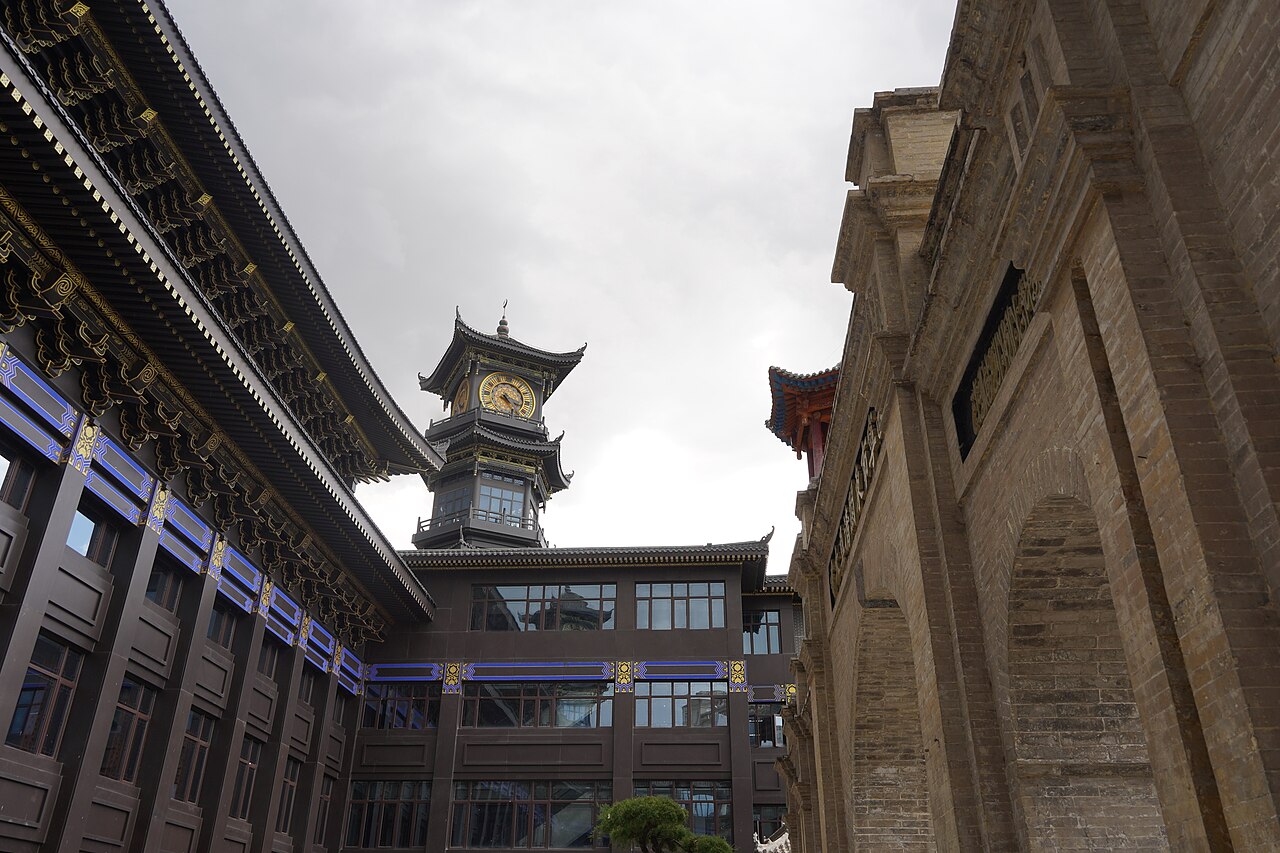
大寺占地面积达1.36万平方米,建筑格局严格遵循中国传统四合院中轴对称规制,同时在细部装饰中巧妙融合了伊斯兰阿拉伯书法与砖雕艺术。大殿采用中国古典重檐歇山顶木构建筑,九间宽、五间深,雕梁画栋,斗拱层叠,大殿内部宽敞肃穆,可容纳上万人同时礼拜。寺内苍松翠柏掩映,展现了河湟地区回汉多民族建筑交融的典范。

Located in Chengdong District, Dongguan Great Mosque was established in the early Ming Dynasty (c. 1380). As Qinghai's largest Islamic sanctuary, it ranks among the four foremost mosques in northwestern China.

Covering 13,600 square meters, the layout mirrors classical Chinese courtyards along a central axis. The grand prayer hall features Chinese hip-and-gable bracketed wooden architecture capable of accommodating over 10,000 worshippers.

东关清真大寺正殿中国传统飞檐殿堂与青砖古门
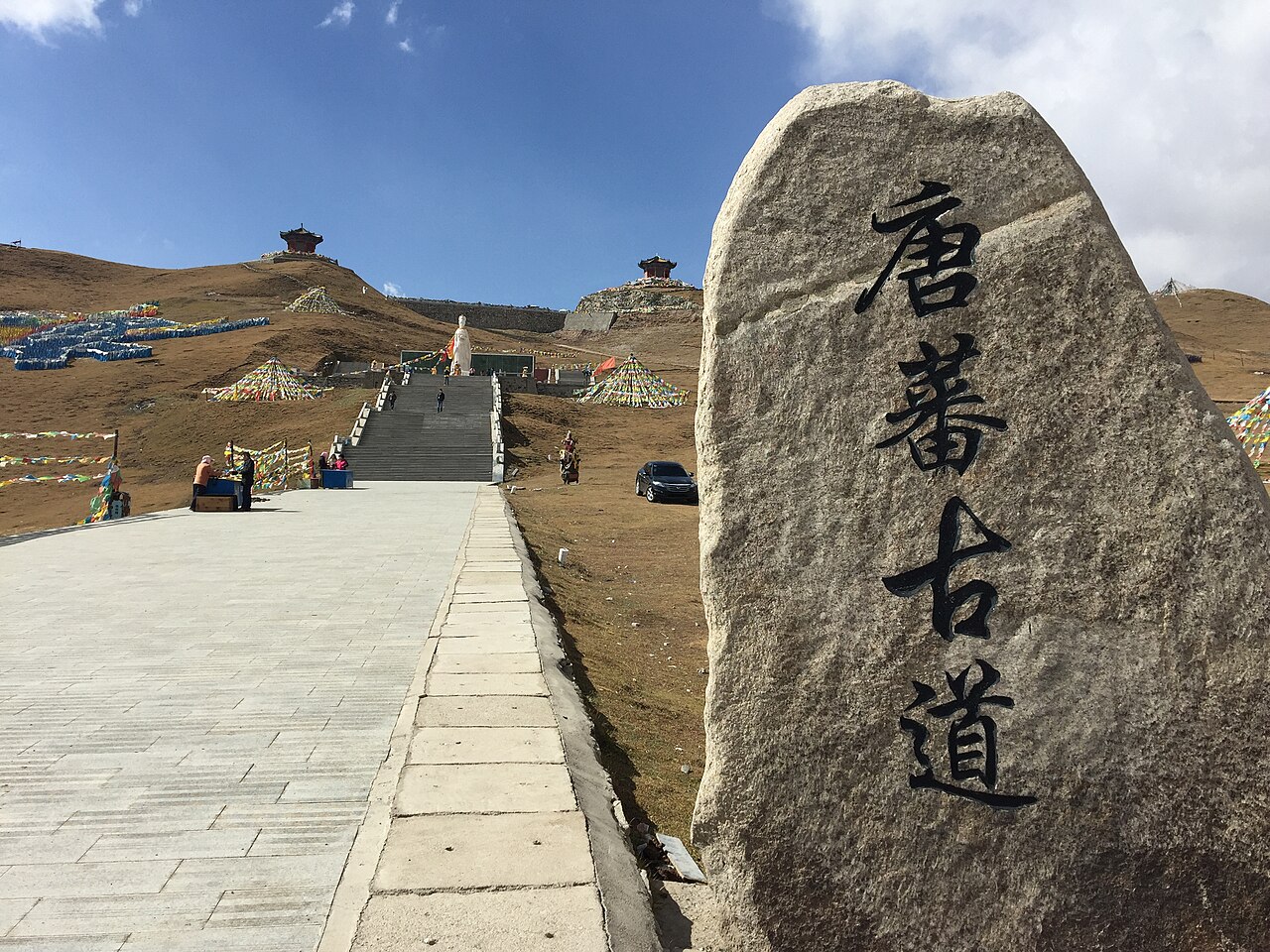
日月山垭口文成公主石雕与漫山遍野飘扬的五彩风马旗
唐蕃古道枢纽 · 农牧分界 Tang-Tibet Ancient Route Divide

日月山与倒淌河 (Mount Riyue)

Sun & Moon Mountain & Daotang River

日月山海拔3,520米,是青海东部农业区与西部纯牧业区的地理分界岭,西距西宁约80公里。在地理与生态学上,它是我国内带季风与外带季风的分水岭,山以东田畴葱绿、麦浪翻滚,山以西草原辽阔、牦牛遍野,呈现“一眼两重天”的壮丽过渡。

在历史上,这里是文成公主入藏与松赞干布联姻的必经关隘。相传公主途经此地摔碎思乡日月宝镜,化作今日山顶相映的日亭与月亭;公主悲泣的泪水则汇聚成天下唯一一条“自东向西”流淌注入青海湖的【倒淌河】。游人在此可眺望经幡猎猎,感悟汉藏两族血浓于水的千载姻好。

Mount Riyue (3,520m) marks the ecological divide between monsoonal agricultural river valleys and the arid, pastoral Tibetan Plateau. East of the pass lie irrigated wheat terraces; west unfold sweeping grasslands dotted with black yak-hair tents.

Here in 641 AD, Tang Princess Wencheng smashed her precious imperial mirror to symbolize her resolve to marry Tibetan King Songtsen Gampo. Her tears allegedly formed the Daotang River, which anomalously flows westward into Qinghai Lake.

国家一级博物馆 · 江河之源 National First-Class Museum

青海省博物馆 (Qinghai Provincial Museum)

Qinghai Provincial Museum

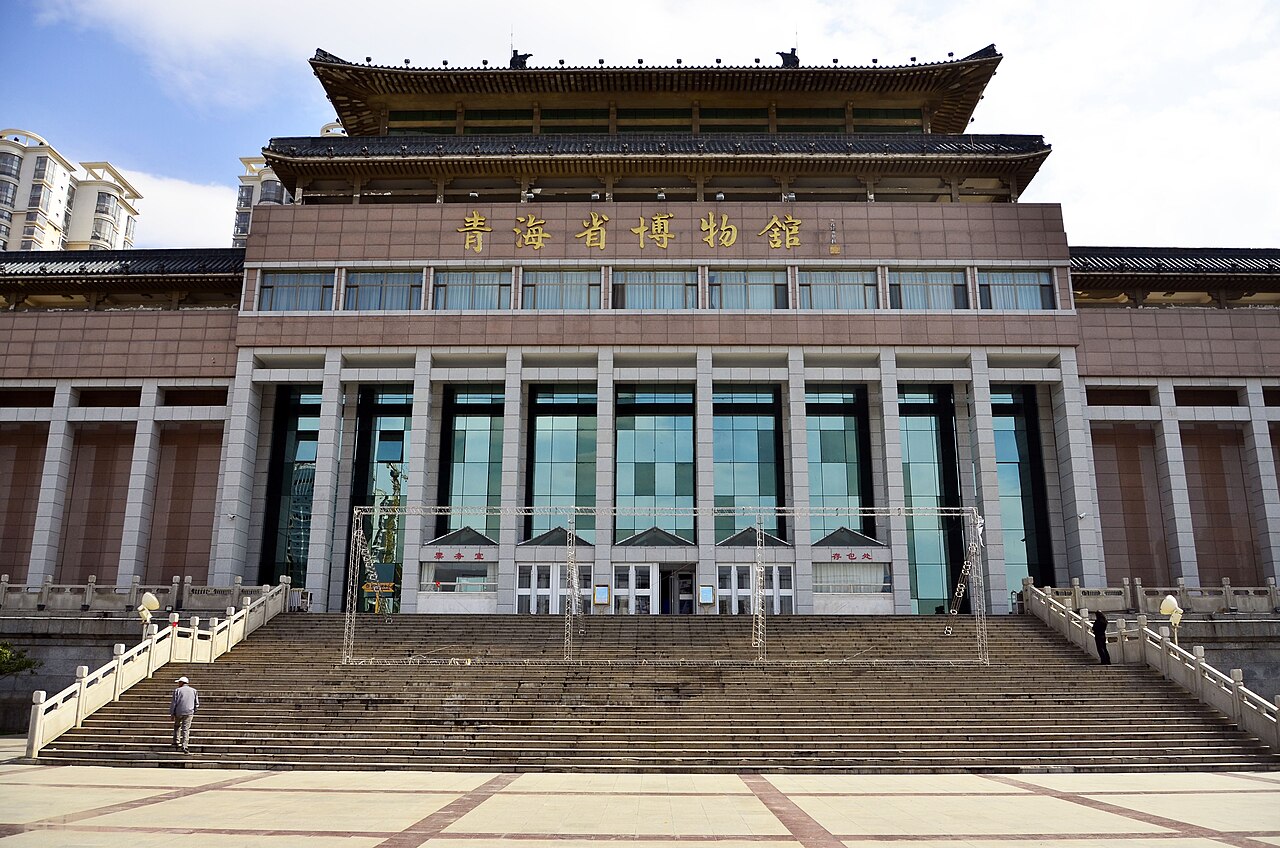
坐落于西宁城西区新宁广场,总建筑面积2.28万平方米,馆藏各类文物达4.7万余件。博物馆以“1+3”现代化展陈模式为核心:以《青海历史文物展》为通史主线,辅以《青海考古成果展》、《青海非物质文化遗产展》与《青海多元民族民俗展》。

馆藏国宝重器令人叹为观止:出土于大通上孙家寨的马家窑文化【舞蹈纹彩陶盆】被列为首批禁止出国(境)展览文物,描绘了5,000年前先民手拉手踏歌起舞的原始美学;此外,北凉石塔、吐谷浑慕容智墓出土的金龙金凤饰件、明永乐年间铜鎏金观音坐像与珍稀手抄《甘珠尔》大藏经,全面生动勾勒出三江之源各民族交往交流交融的恢弘长卷。

Anchoring downtown Xining, the museum preserves 47,000 artifacts illustrating the deep human history of the source of the Yangtze, Yellow, and Lancang rivers.

The crowning masterpiece is the 5,000-year-old Majiayao Painted Pottery Basin adorned with a circle of dancing human figures, alongside gilded Buddhist statues cast during the Ming Yongle reign and exquisite gold jewelry from royal Tuyuhun tombs.

青海省博物馆内陈列的古老青铜雕塑与彩陶艺术珍宝