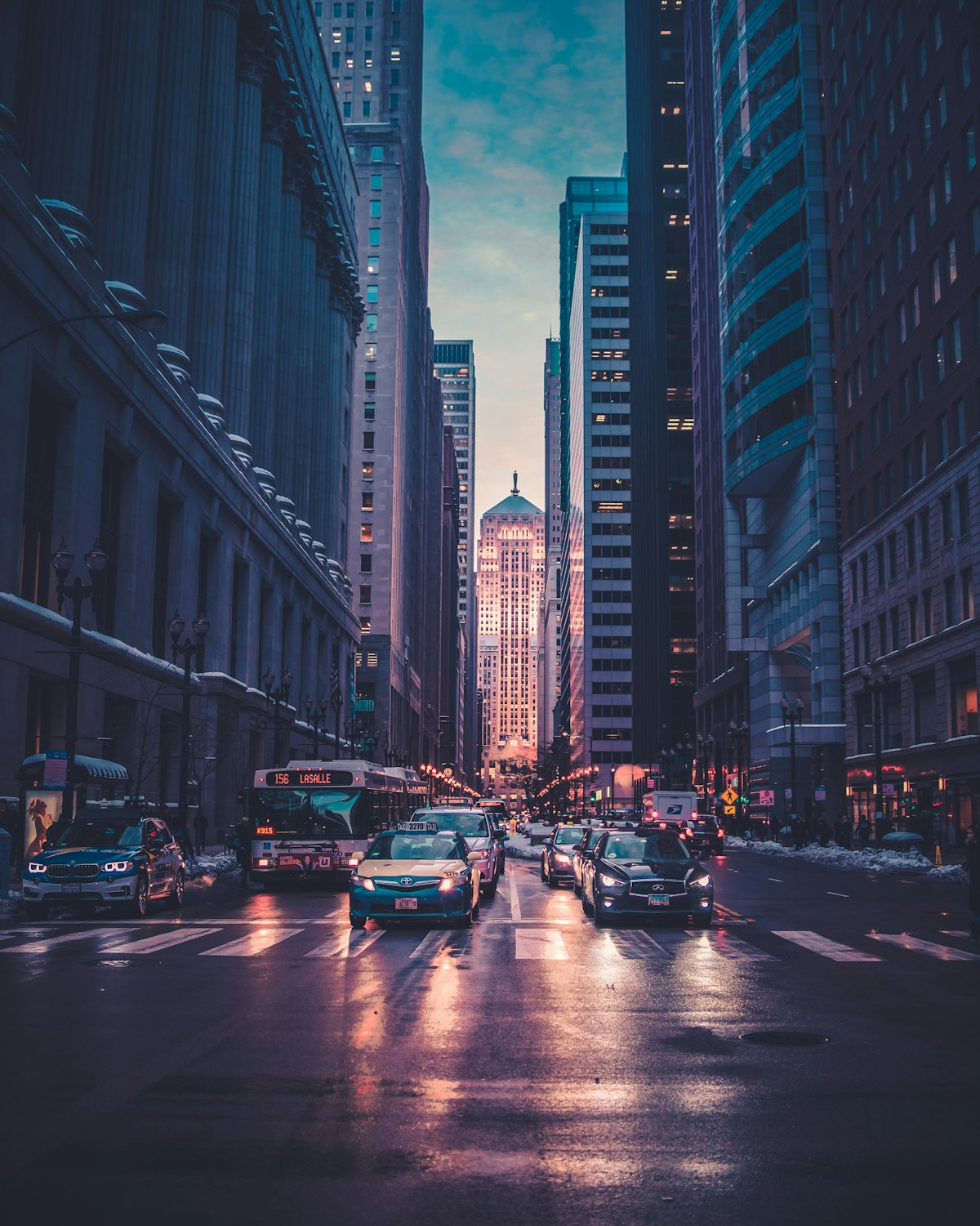
1. 夫子庙秦淮风光带
1. Confucius Temple & Qinhuai River
中国第一历史文化名河秦淮河的核心景观带。以夫子庙大成殿为中心,辐射江南贡院、中国科举博物馆、乌衣巷、媚香楼等古迹。入夜后画舫穿梭、秦淮两岸灯彩倒映,尽显“六朝烟月之区,金粉荟萃之所”的诗画胜境。
Centered around the historic Confucius Temple and the Imperial Examination Museum, this is China's most celebrated waterway of romance, literature, and folklore. At night, dragon-headed boats glide beneath historic bridges lined with traditional red lanterns.
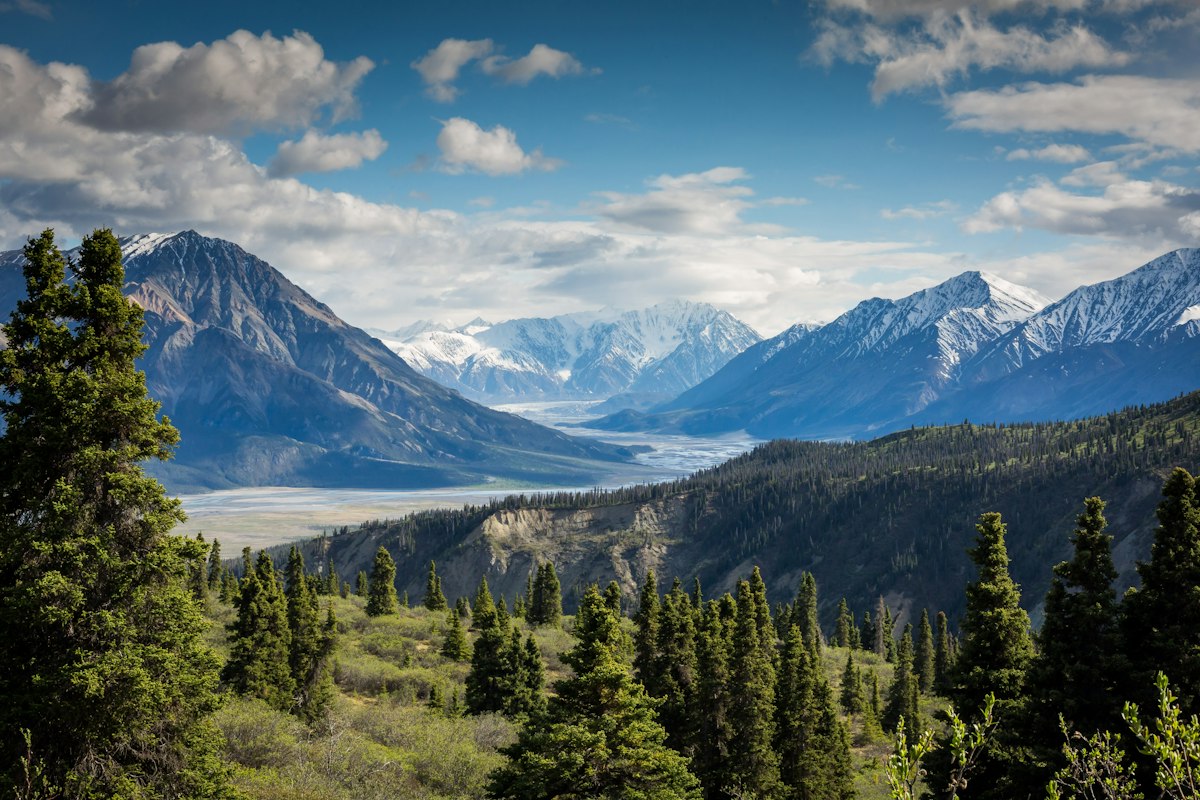
2. 中山陵
2. Sun Yat-sen Mausoleum
中国近代民主革命先驱孙中山先生的长眠之所,由著名建筑师吕彦直设计,平面呈自由钟形,寓意“唤醒民众”。从博爱坊出发,拾级而上经过392级花岗岩台阶,抵达蓝瓦白墙的祭堂,俯瞰金陵大地林海松涛,肃穆雄浑。
Designed by architect Lu Yanzhi in the shape of a colossal 'Alarm Bell' symbolizing waking the nation. Visitors ascend 392 granite stairs through solemn pine woods to the blue-glazed sacrificial hall housing Dr. Sun's marble statue and tomb chamber.

3. 明孝陵与神道石象路
3. Ming Xiaoling Mausoleum & Sacred Way
明朝开国皇帝朱元璋与孝慈高皇后马氏的合葬陵寝,建于明洪武十四年(1381年),是中国古代陵寝建筑艺术的最高成就之一。神道全长约2400米,其中618米的石象路依山势蜿蜒,两旁排列狮、獬豸、骆驼、象、麒麟、马六种石兽各两对,深秋银杏金黄枫叶似火,举世无双。
The resting place of Ming Dynasty founding Emperor Zhu Yuanzhang and Empress Ma, recognized as a UNESCO World Heritage Site. The curved Sacred Way features 12 pairs of monumental animal sculptures guarded by centuries of cedar and ginkgo trees.
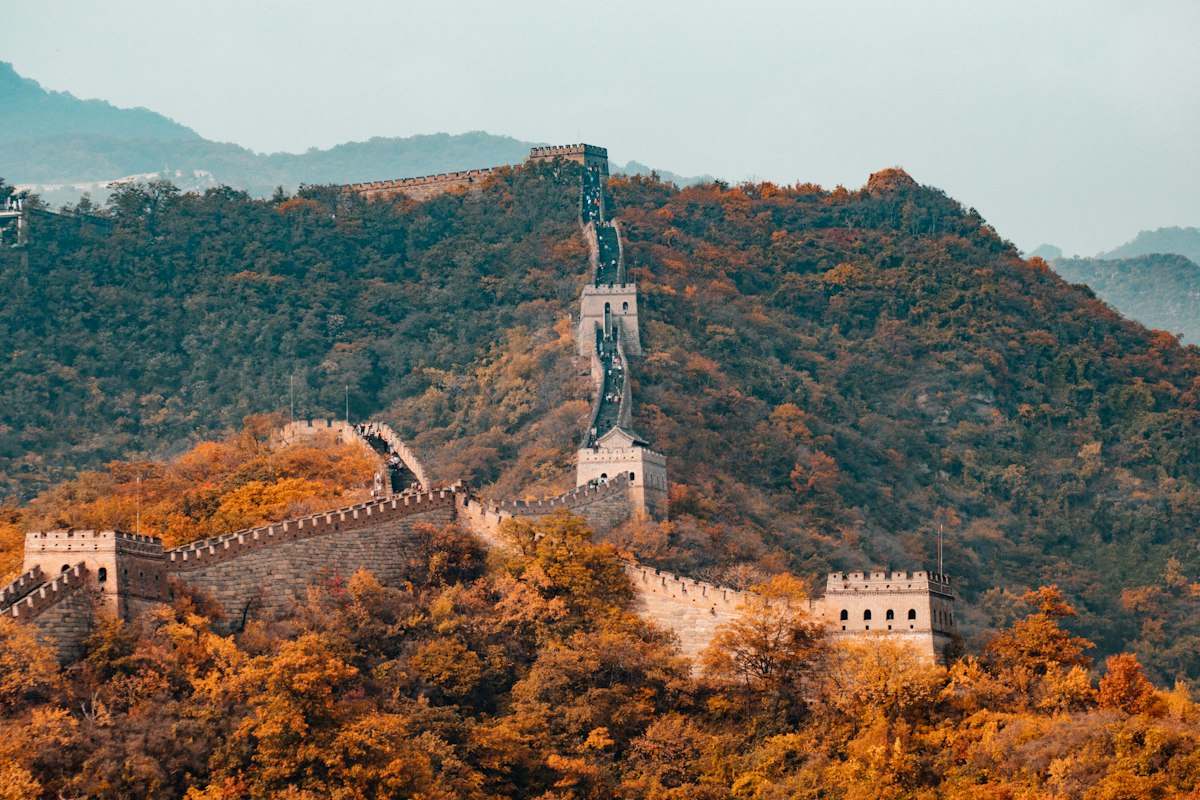
4. 南京明城墙与中华门瓮城
4. Nanjing Ming City Wall & Zhonghuamen Barbican
南京明城墙为明初调集全国一府三省百余州县民夫与军士耗时21年烧筑,现存城墙25.1公里,为世界第一大砖石城垣。中华门古称聚宝门,拥有三道瓮城、四道券门与27个藏兵洞,构筑起古代战争中最精密的“关门打狗”防御堡垒体系,每块城砖上均铭刻烧造府县与工匠官吏姓名。
Dating back to the 14th century, the Ming City Wall of Nanjing is the longest existing city wall in the world. Zhonghuamen Barbican is a magnificent military fortification equipped with four arched gateways, three internal courtyards, and 27 soldier-caves.
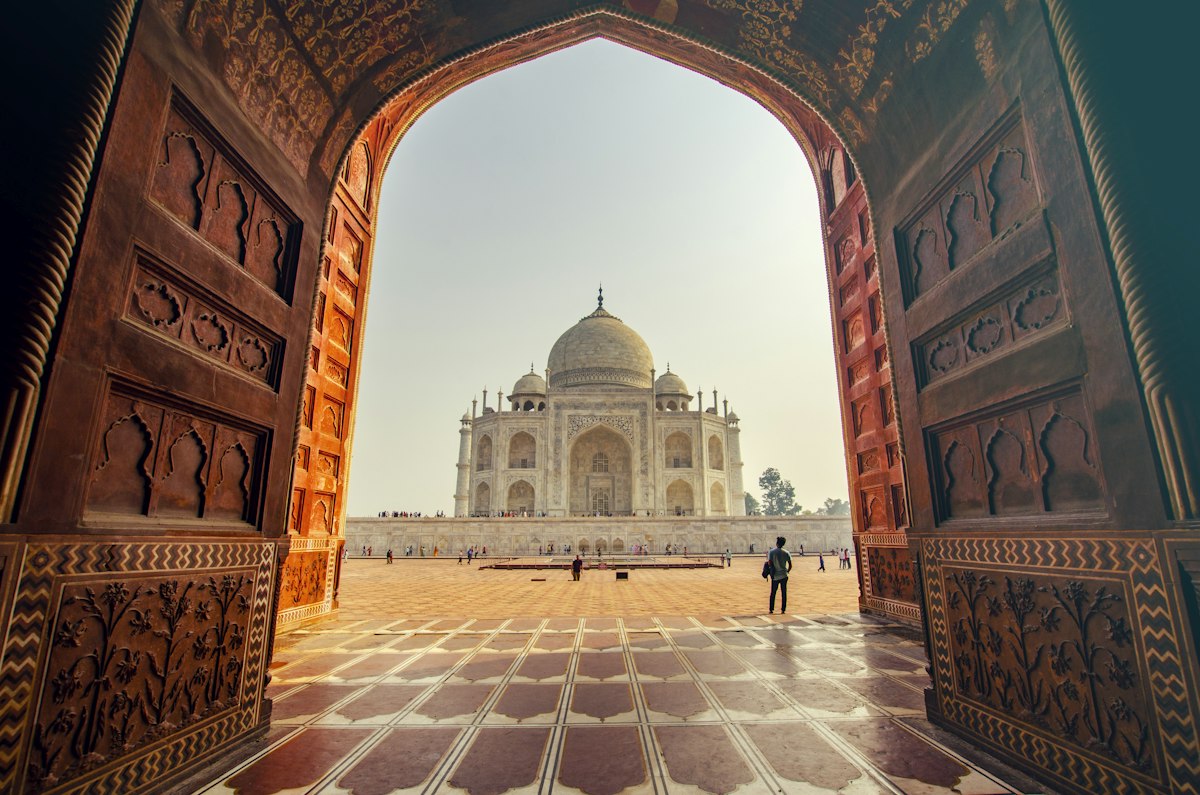
5. 牛首山佛顶宫
5. Niushoushan Cultural Park & Usnisa Palace
牛首山是金陵四大名胜之一,禅宗牛头宗的发祥地。现代佛顶宫深嵌于山体矿坑之中,地上大穹顶宛如佛祖袈裟,地下深达40余米,设禅境大观、千佛殿、万佛廊及佛顶舍利藏宫。宫内鎏金大塔、汉白玉浮雕与精密机械艺术巧夺天工,供奉释迦牟尼佛顶骨真身舍利。
Built inside a restored stone quarry, the Usnisa Palace is an architectural triumph of modern Buddhist art. Underground, a 40-meter-deep sanctuary features the Grand Zen Hall, Thousand Buddha Pavilion, and the relic hall of Sakyamuni Buddha's Parietal Bone.
6. 总统府景区
6. The Presidential Palace
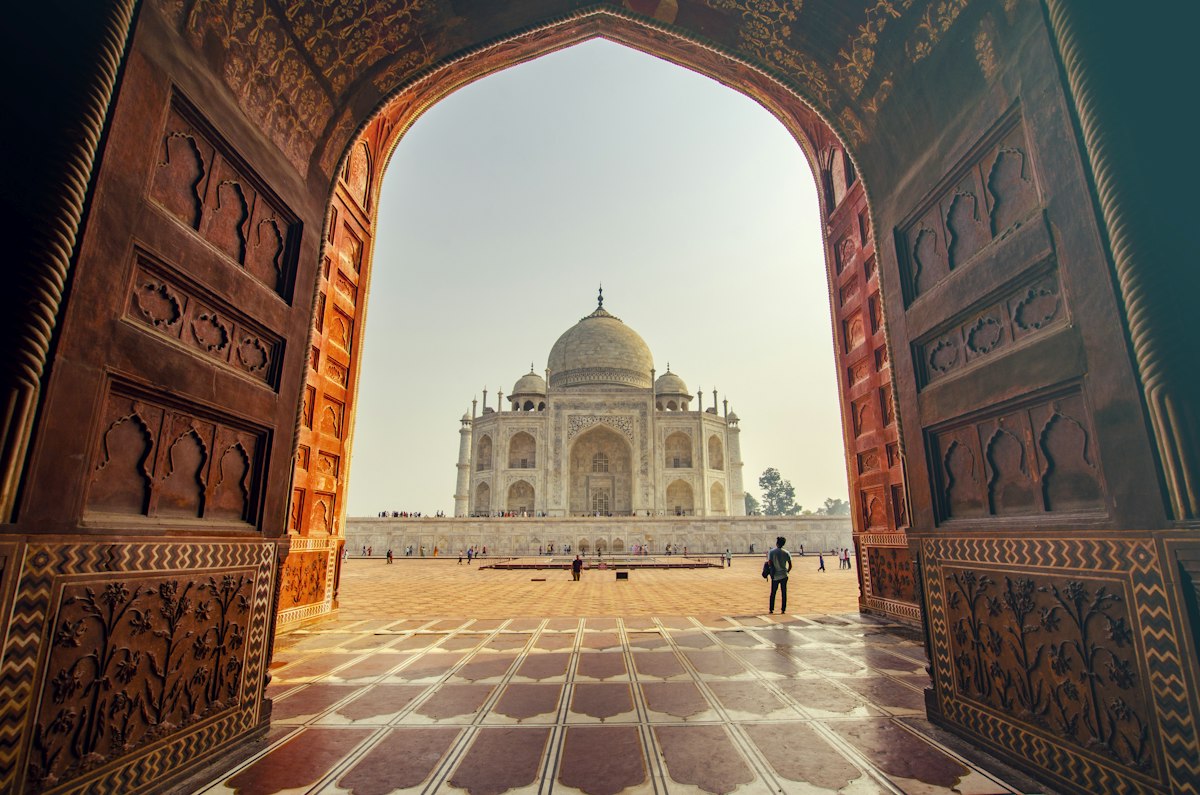
中国近代建筑面积最大、保存最完好的历史风貌建筑群。明代曾为汉王府,清代为江宁织造署与两江总督衙门(康熙乾隆南巡驻跸之所),太平天国时期为天王府,1912年孙中山在此宣誓就职中华民国临时大总统,后为南京国民政府总统府。集江南古典园林煦园、清代督抚衙门与西洋民国建筑于一身。
Spanning over 600 years of momentous history, this site once served as the Ming Han Prince Mansion, Qing Viceroyalty of Liangjiang, Taiping Heavenly Palace, and Dr. Sun Yat-sen's Provisional Presidential Office in 1912. It encompasses the classical Xuyuan Garden and Western neoclassic halls.
7. 玄武湖公园
7. Xuanwu Lake Park
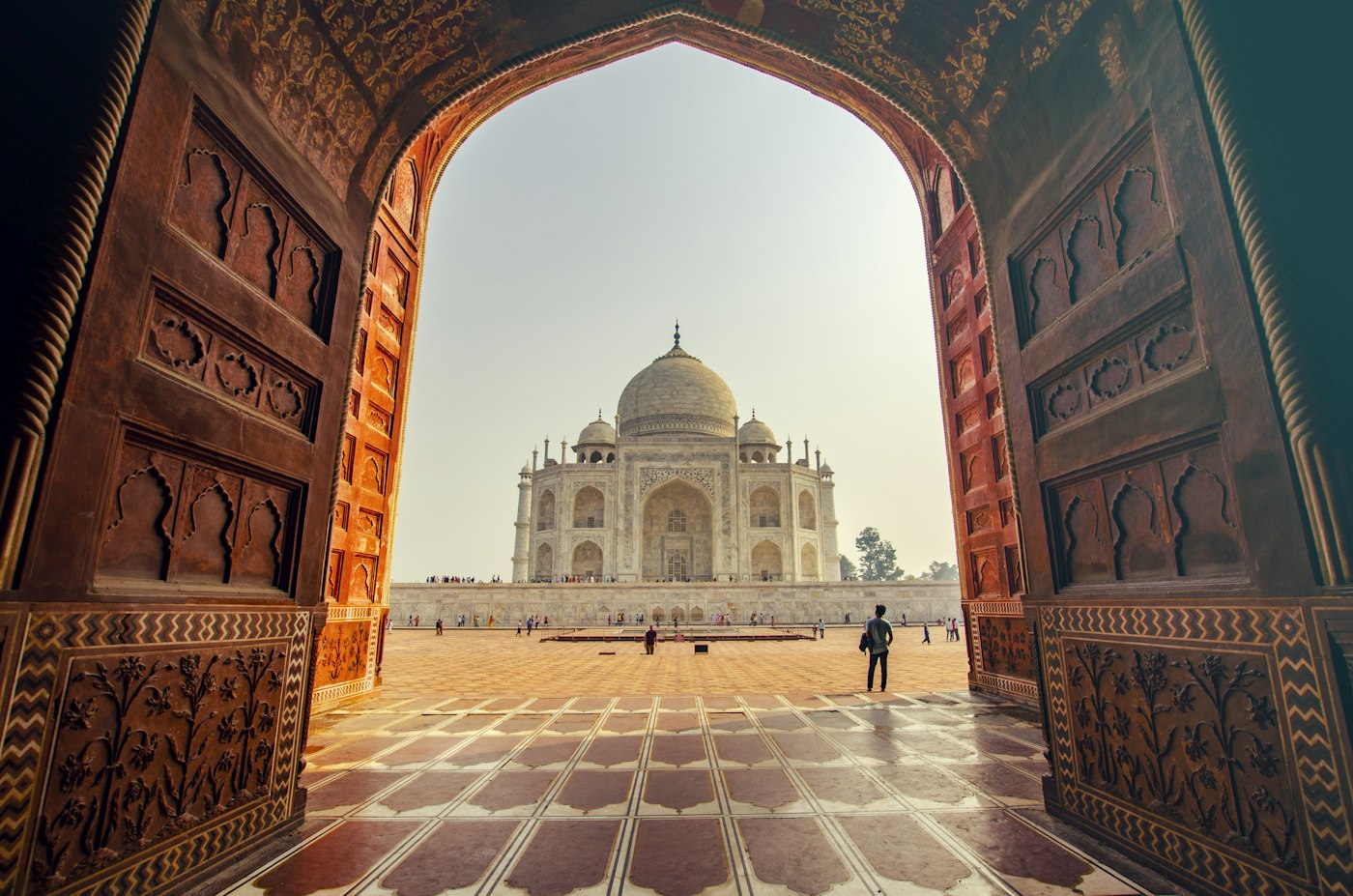
中国现存最大的皇家园林湖泊,与嘉兴南湖、杭州西湖并称江南三大名湖。六朝时期为水军操练场所(后湖),明代设为全国户籍赋税档案库“黄册库”。湖中五洲(环洲、樱洲、菱洲、梁洲、翠洲)洲洲堤桥相通,环抱紫金山与明城墙,落日晚霞映照湖波,景致旷远怡人。
China's largest preserved imperial urban lake garden. Once the naval training base in the Six Dynasties and the imperial census archive during the Ming Dynasty, Xuanwu Lake encompasses five interconnected islands framed by ancient city walls and Purple Mountain.
8. 栖霞山与栖霞寺
8. Qixia Mountain & Qixia Temple
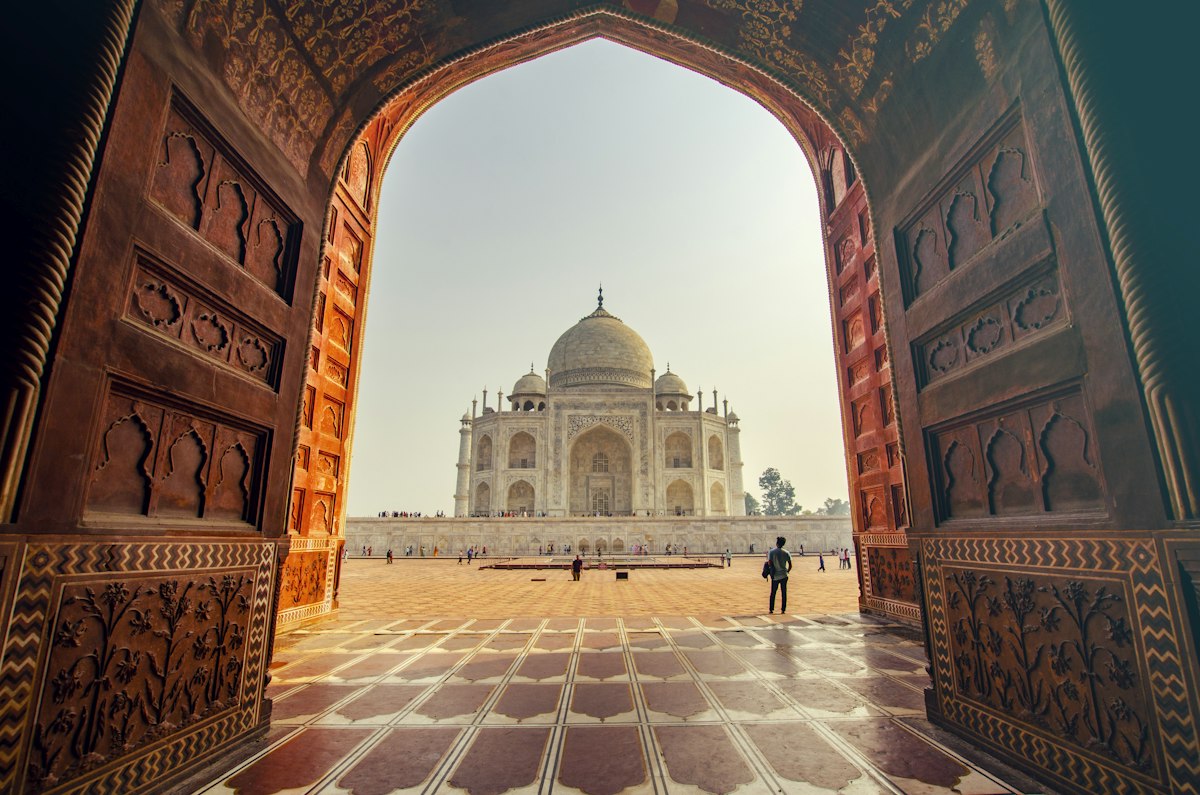
乾隆皇帝赞誉“第一金陵明秀”,中国四大赏枫胜地之一。栖霞寺始建于南齐永明七年(489年),为佛教“三论宗”祖庭,寺内舍利塔与千佛岩石窟为五代与南朝佛教造像瑰宝。每年深秋(10月下旬至12月上旬),满山红叶如火染尽群峰,蔚为壮观。
Celebrated as one of China's Four Great Autumn Maple Viewing spots. Qixia Temple, founded in 489 AD during the Southern Qi Dynasty, is the cradle of the Sanlun Buddhist school, housing the famous Five Dynasties Sarira Pagoda and Thousand Buddha Grottoes.
9. 南京博物院
9. Nanjing Museum
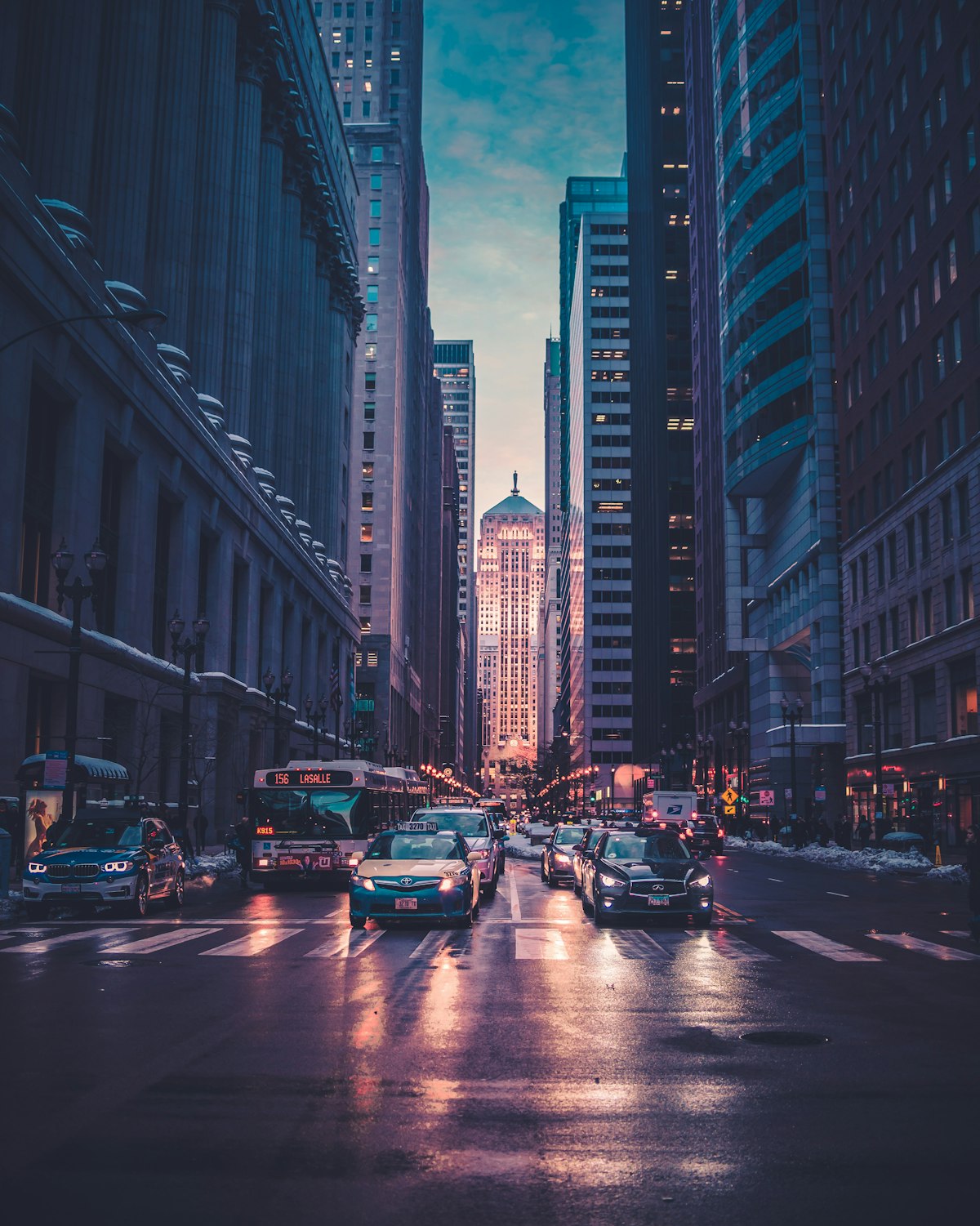
前身为1933年蔡元培倡建的国立中央博物院,中国创建最早的博物馆之一。拥有“一院六馆”(历史馆、特展馆、数字馆、艺术馆、非遗馆、民国馆)宏大规模,馆藏珍贵文物43万余件,包括金蝉玉叶、银缕玉衣、大报恩寺琉璃塔拱门等国宝重器。地下的“民国馆”真实复刻民国街巷风貌,体验感极佳。
Co-founded in 1933 by Cai Yuanpei as the National Central Museum, it ranks alongside the Palace Museum in Beijing and Taipei. Featuring over 430,000 cultural relics across six pavilions, its underground Republic of China Hall immerses visitors in a restored 1930s cityscape.
10. 鸡鸣寺
10. Jiming Temple
“南朝四百八十寺,多少楼台烟雨中”。始建于西晋永康元年(300年),梁武帝曾四次舍身出家于此。依玄武湖畔鸡笼山而建,黄墙黛瓦,药师佛塔高耸入云。寺旁连接南京明城墙台城段,每年三月下旬,寺前鸡鸣寺路数百株染井吉野樱花如雪绽放,与古刹黄墙相映成画,美不胜收。
Reputed as the foremost of the '480 Temples of the Southern Dynasties', Jiming Temple sits atop Mount Jilong overlooking Xuanwu Lake. In late March, the cherry blossoms lining Jiming Temple Road bloom in breathtaking pink clouds against the temple's yellow walls.
11. 大报恩寺遗址公园
11. Grand Bao'en Temple Ruins Park
明永乐十年(1412年)明成祖朱棣为报答父母之恩敕命修建,其九级八面琉璃宝塔被西方誉为“中世纪世界七大奇迹之一”。现建成的遗址博物馆采用现代轻质钢架与全玻璃建筑保护地宫遗址,地下出土了极其珍贵的“七宝阿育王塔”与感应舍利,夜晚塔身激光灯光秀幻美通透。
Built by Ming Emperor Yongle in honor of his parents, the original porcelain pagoda was celebrated in Europe as one of the Seven Wonders of the Medieval World. The modern ruins park showcases a futuristic glass pagoda protecting sacred underground relic chambers.
12. 阅江楼
12. Yuejiang Tower
“一江奔海万千里,两水夹明双鹭飞”。明洪武七年(1374年)明太祖朱元璋登狮子山阅江,亲笔撰写《阅江楼记》并命宋濂等重臣作赋。主楼高52米共七层,具有鲜明的明代皇家建筑风格,碧瓦朱楹、飞檐翘角。登楼可将滔滔万里长江、南京长江大桥与金陵全景尽收眼底。
Conceived by Ming Emperor Zhu Yuanzhang in 1374 atop Lion Mountain to oversee the grand Yangtze River. Reconstructed strictly in Ming imperial style with golden glazed tiles, it offers sweeping 360-degree panoramic views of the Yangtze River and Nanjing Yangtze River Bridge.