世界文化遗产 · 天下第一雄关 UNESCO World Cultural Heritage

嘉峪关关城城楼 (Jiayuguan Pass)

Jiayuguan Pass Gate Tower (Rouyuan & Guanghua)

嘉峪关关城建于明洪武五年(1372年),由内城、外城、东西瓮城、罗城与护城河组成严密的“城中有城”三重防线,总占地3.35万平方米,是明代万里长城沿线保存最为完整、规制最为宏伟的关隘。城墙采用戈壁黄胶泥逐层夯筑而成,历经六百余年风沙侵蚀仍坚实如铁。

关城中轴线上自东向西依次矗立三座三层三檐歇山顶木结构城楼:东门“光化楼”寓意紫气东来、光化西域;西门“柔远楼”意为怀柔远人、安抚四方;外侧西罗城门楼悬有清代肃州总兵李廷臣所题“天下第一雄关”巨匾。西瓮城门楼后檐台上至今静静摆放着一块孤砖——这便是流传千古的“定城砖”,相传当年修关工匠易开占精算砖数仅多出一块,用以镇城。

Built in 1372, Jiayuguan Pass stands as the best-preserved military fortress along the entire Ming Great Wall. Its triple defensive rings—inner citadel, outer ramparts, double barbicans, and moat—constructed from tightly tamped desert clay have withstood 650 years of Gobi winds.

Three towering three-storey wooden pavilions align along the central axis: Guanghua Tower on the east, Rouyuan ("Pacifying the Distant") Tower on the west, and the outer Jiayuguan Tower displaying the famous "First and Greatest Pass Under Heaven" plaque. Atop the west gate ledge rests the legendary "Last Brick," calculated to perfection by Ming master mason Yi Kaizhan.

关城参观与“关照”文化体验

Pass Combo Ticket & "Guanzhao" Experience

嘉峪关文物景区实行联票制(一票含关城、悬壁长城、长城第一墩三大核心景区,夏季建议预留半日以上)。在关城东门可体验“将军签发通关文牒(关照)”,在演武场与游击将军府感受明代军政运作,城墙西北角马道登高可拍摄雪山、城楼与大漠同框大片。

A single combo ticket grants access to Jiayuguan Pass, Overhanging Great Wall, and First Pier. Inside the fortress, visit the Ming Garrison General's Yamen, request a stamped silk-road travel permit ("Guanzhao"), and climb the northwest ramparts for panoramic Qilian snow-peak views.
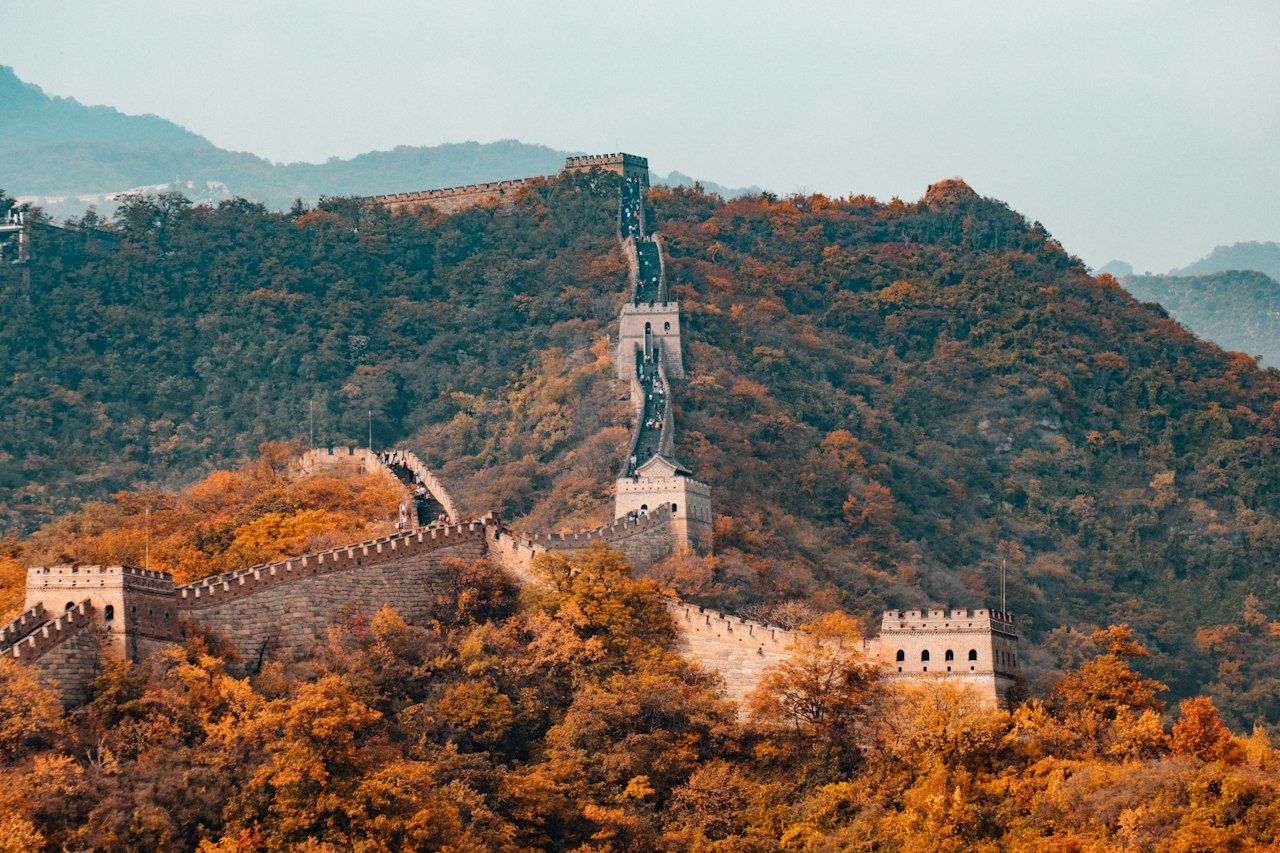
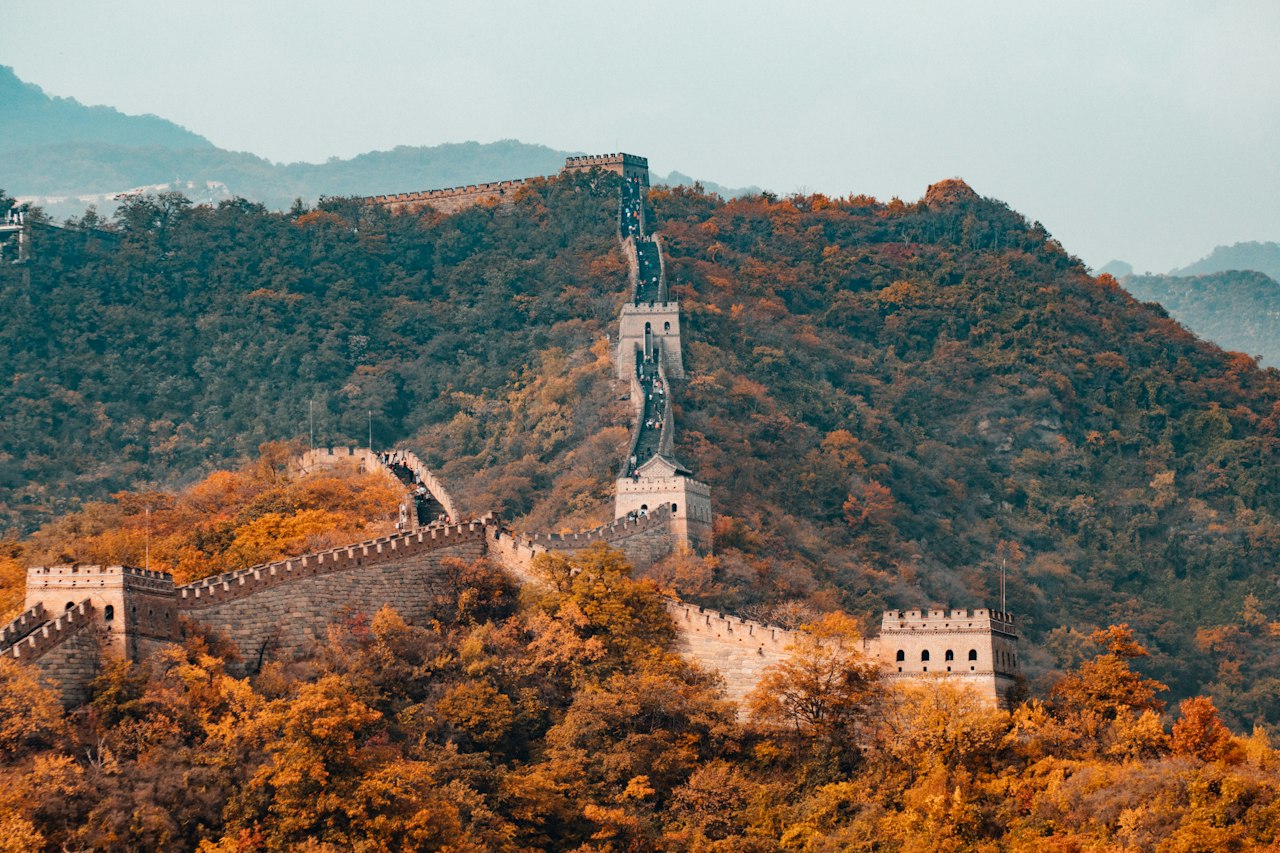
嘉峪关关城柔远楼光化楼与城墙马道全景 夕阳下雄伟的嘉峪关关城西门与远方祁连雪山
悬壁长城蜿蜒攀附于黑山45度陡峭岩石山脊
黑山脊背 · 西部八达岭 45-Degree Black Mountain Ridge

悬壁长城 (Overhanging Great Wall)

Overhanging Great Wall on Heishan Ridge

悬壁长城位于嘉峪关关城西北约7公里的黑山南坡,始建于明嘉靖十八年(1539年),是肃州兵备道李涵为彻底阻断游牧骑兵绕道黑山北麓而修筑的暗壁边墙。现存城墙全长750米,其中最险峻一段高达231米、紧贴坡度约45度的黑山陡峭砾石脊背直插云端,远望宛如一条墨黑飞龙凌空倒挂。

墙体就地采集黑山片石与黄土夯筑,顶设三座高台烽燧。沿陡窄石阶奋力攀登至最高处烽火台,极目北望石关峡古道苍茫无垠,南瞰嘉峪关绿洲与祁连雪山一线横陈,令人顿生“大漠孤烟直”的豪情。

Erected in 1539 along the southern flank of Black Mountain 7 km northwest of the pass, this 750-meter stone barrier sealed northern mountain bypasses against cavalry raids. Climbing a sharp 45-degree incline, the wall earned the nickname "Overhanging Great Wall" and "Western Badaling."

Built from local dark slate and tamped loess, the steep stairway leads to a summit watchtower rewarding hikers with sweeping vistas across the barren Shiguan Gorge to the north and snow-capped Qilian ridges to the south.

万里长城西起点 · 讨赖河悬崖 Origin Pier on Taolai Canyon

长城第一墩 (First Pier of the Great Wall)

First Pier of the Great Wall (Taolai River)

如果说山海关老龙头是明长城的东海起点,那么矗立于嘉峪关南7.5公里讨赖河北岸的“长城第一墩”(讨赖河墩),便是万里长城最西端的地理起始点。它与关城、悬壁长城同为嘉靖十八年(1539年)联防体系的核心,底宽14米、残高近10米,由黄土夯筑。

第一墩最震撼之处在于其选址——直接垒筑于56米高垂直如刀劈斧削的讨赖河大峡谷绝壁边缘,崖下即是奔腾咆哮的祁连山雪水急流,险不可攀。景区建有跨河铁索吊桥、悬空玻璃观景台与地下“醉卧沙场”军事雕塑展厅,完整诠释了明代边塞铁骑戍守天险的悲壮与雄浑。

Just as Shanhaiguan's Old Dragon's Head meets the eastern sea, the First Pier marks the exact southwestern origin of the Ming Great Wall. Built in 1539, this rammed-earth beacon tower sits squarely on the edge of a vertical 56-meter cliff overlooking the roaring Taolai River Canyon.

Visitors can step onto a cliffside glass viewing platform, cross the suspension bridge spanning the glacial river gorge, and explore the underground exhibition hall depicting Ming frontier garrison life.

矗立于讨赖河56米垂直悬崖峭壁上的明代长城第一墩遗址
嘉峪关新城魏晋壁画墓群戈壁沙砾滩遗址风貌
魏晋地下画廊 · 中国邮政徽标起源 Wei-Jin Subterranean Brick Gallery

魏晋壁画墓群 (Wei-Jin Painted Brick Tombs)

Xincheng Wei-Jin Painted Brick Tombs

位于嘉峪关市区东北约20公里新城镇戈壁滩上的魏晋墓群,在东西长13公里、南北宽3公里的荒原下分布着1,400余座曹魏至西晋(公元220-420年)河西望族砖室墓,被海内外考古界赞誉为“世界最大的地下画廊”。

已发掘墓葬出土了700余幅彩绘画像砖,采用“一砖一画、连环成卷”的手法,鲜活记录了千七百年前丝路绿洲的真实生活图景:扬场耕作、采桑养蚕、坞堡屯兵、甚至已经出现了《烤肉串》《宰羊宴饮》的画面。其中5号墓出土的《驿使图》(画中驿使头戴黑帻、手持棨传文书、策马疾驰),如今成为家喻户晓的中国邮政徽标。

Beneath the windswept gravel plains 20 km northeast of Jiayuguan rest more than 1,400 brick family tombs dating from 220 to 420 AD. Over 700 polychrome tomb bricks preserve vivid snapshots of ancient Hexi society—plowing, mulberry harvesting, silk weaving, and even skewered lamb roasting!

Most famous of all is Tomb No. 5's painting of a galloping mounted courier clutching an imperial dispatch—the official historical prototype for the modern China Post emblem. Visitors can descend into the preserved underground chambers of Tomb No. 6.

亚洲距城市最近冰川 · 海拔4,300m Qilian Alpine Glacier · 4,300m

祁连山七一冰川 (July 1st Glacier)

Qiyi (July 1st) Glacier

位于嘉峪关西南约116公里祁连山深处、肃南县境内的托来山北坡,1958年7月1日由中国科学院高山冰雪利用研究队首次正式考察命名,因此得名“七一冰川”。冰川总长约3.8公里,冰舌海拔4,300米,冰峰最高点达5,158米,是整个亚洲距离城市中心最近、交通通达性最高的现代大陆性山谷冰川。

冰川末端呈现壮观的冰壁、冰塔林与晶莹冰洞景观,融水汇入讨赖河滋润嘉峪关绿洲。温馨提醒:因属祁连山国家级自然保护区核心生态屏障,近年来实行严格环保限流或季节性封闭保护措施,计划前往前务必提前向当地文旅及自然保护区管理部门确认最新开放状态。

Lying 116 km southwest of Jiayuguan deep inside the Qilian Mountains, Qiyi Glacier was mapped on July 1, 1958. Stretching 3.8 km between 4,300m and 5,158m altitude, it is the closest accessible alpine valley glacier to a major city anywhere in Asia.

Its shimmering blue seracs and meltwater streams feed the Taolai River oasis below. Important Note: Situated inside the Qilian Mountain National Nature Reserve, seasonal conservation closures apply—always confirm official entry permits and road status before departing.

雄关戈壁远眺终年积雪的祁连山脉冰川峰峦