阿里五大核心高原传统风味 5 Signature Culinary Specialties of Ngari

Air-dried Yak Meat
藏北高寒特产 · 高蛋白能量

藏北风干牦牛肉 (Air-dried Yak Meat)

Highland Air-Dried Yak Jerky

每年入冬(农历十一月),藏北牧民将散养在海拔4,500米以上天然草场的优质牦牛肉割成细条,悬挂于通风无日晒的阴凉木架上。在零下20℃的极寒与干燥山风中自然风干数月。肉质紧实酥脆,肉香纯正浓郁,越嚼越香,是自驾荒原与徒步转山不可替代的顶级天然能量补给。

Crafted in early winter by hanging strips of free-roaming yak meat in sub-zero, arid highland winds (-20°C). Over several months, moisture evaporates naturally, leaving a deeply savory, crisp, protein-rich jerky indispensable for trans-plateau expeditions and Kailash Kora pilgrims.

食用方式:Eating style: 直接手撕即食,或蘸藏式辣椒粉、研磨细盐Shred by hand; dip in crushed Tibetan chili or roasted salt
Tsampa & Butter Tea
藏族生命之粮 · 每日必备

青稞糌粑与手工酥油茶 (Tsampa & Butter Tea)

Roasted Barley Tsampa & Churned Butter Tea

将优质高原作青稞炒熟后石磨磨成细粉,即为糌粑。食用时在木碗中注入滚烫浓郁的酥油茶,加入适量糌粑与碎奶渣,用右手指尖在碗中顺时针轻柔拌匀,捏成适口的圆团食用。富含碳水化合物与优质脂肪,能极快补充体力并抵御高寒饥饿。

Tsampa is milled roasted highland barley, the quintessential Tibetan staple. It is poured into a wooden bowl with freshly churned yak butter tea, a pinch of dry curd (chhurpi), and gently massaged by fingers into compact dough balls. Rich in complex carbs, it staves off hypothermia.

文化礼仪:Culture: 搅拌时动作宜慢,碗中不留残渣以示对粮食的敬畏Knead gently clockwise without spilling flour out of respect for grain
Tibetan Butter Tea
高原抗高反暖心饮 · 暖胃驱寒

藏地酥油茶 (Traditional Butter Tea)

Traditional Yak Butter Tea (Po Cha)

以四川雅安藏茶砖砖茶长时间熬制出色泽红润的浓茶汁,倒入特制的“甲冬”(酥油打茶桶)或电动搅拌器中,加入新鲜浓稠的牦牛初乳酥油与微量食盐,经上下抽打数百次使水油彻底乳化。口感咸香顺滑、奶香浓郁,能有效缓解高原嘴唇干裂、高反头痛与胃寒。

Brewed by simmering compressed dark brick tea, poured into a churn with fresh yak butter and a dash of Himalayan rock salt, then vigorously beaten until completely emulsified. The warm, savory, velvety tea combats dehydration, chapped lips, and altitude headaches.

养生功效:Health benefits: 补充热量,保持电解质平衡,预防高寒脱水Hydrates cellular tissue, replenishes salt, sustains core body heat
Tibetan Mutton
游牧原生态 · 鲜嫩纯真

藏式手抓羊肉与石烹肉 (Tibetan Mutton)

Tibetan Boiled Mutton & Stone Cooking

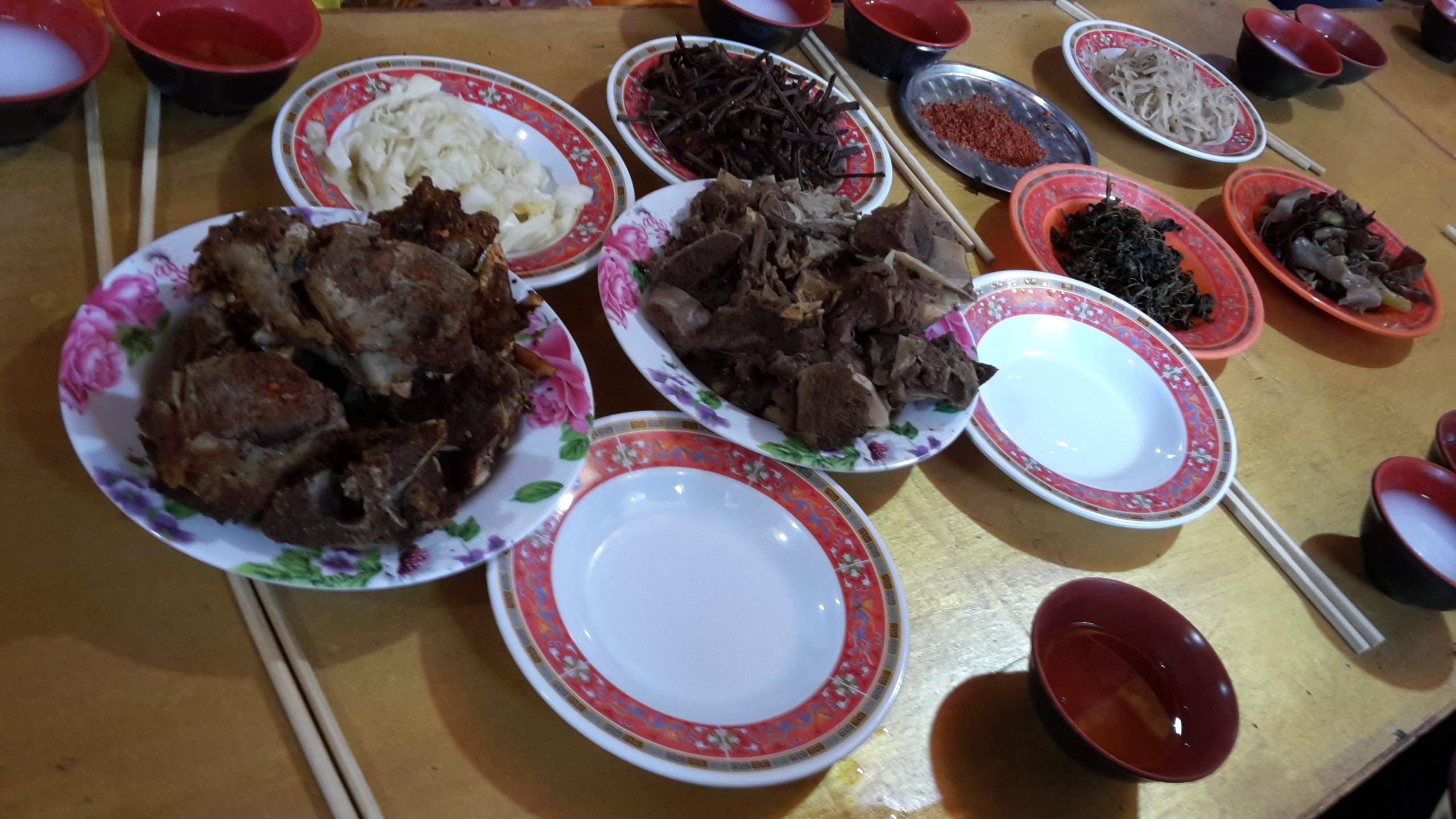
选用日土县或革吉县高寒草原生长的藏系半细毛羊,由于食高山百草、饮冰川融水,肉质鲜嫩且毫无膻味。传统做法仅以纯净山泉水加入少许生姜与青盐清炖,保留羊肉本源鲜甜。在牧区还有传统的石烹肉技法:将烧红的鹅卵石置于羊肚中直接焖熟羊肉,外焦里嫩。

Sourced from indigenous plateau sheep grazing on high alpine herbs and glacier runoffs in Rutog and Ge'gyai counties. Cooked simply in spring water with ginger and salt, preserving natural sweetness without gaminess. Traditional stone cooking uses red-hot river stones inside a pelt.

赏味建议:Tip: 搭配藏式鲜蒜汁或野葱花更添风味Enjoy with crushed garlic sauce or wild mountain chives
Sweet Tea and Thukpa
茶馆市井烟火 · 温暖市容

阿里甜茶与牦牛肉藏面 (Sweet Tea & Thukpa)

Plateau Sweet Tea & Yak Meat Thukpa

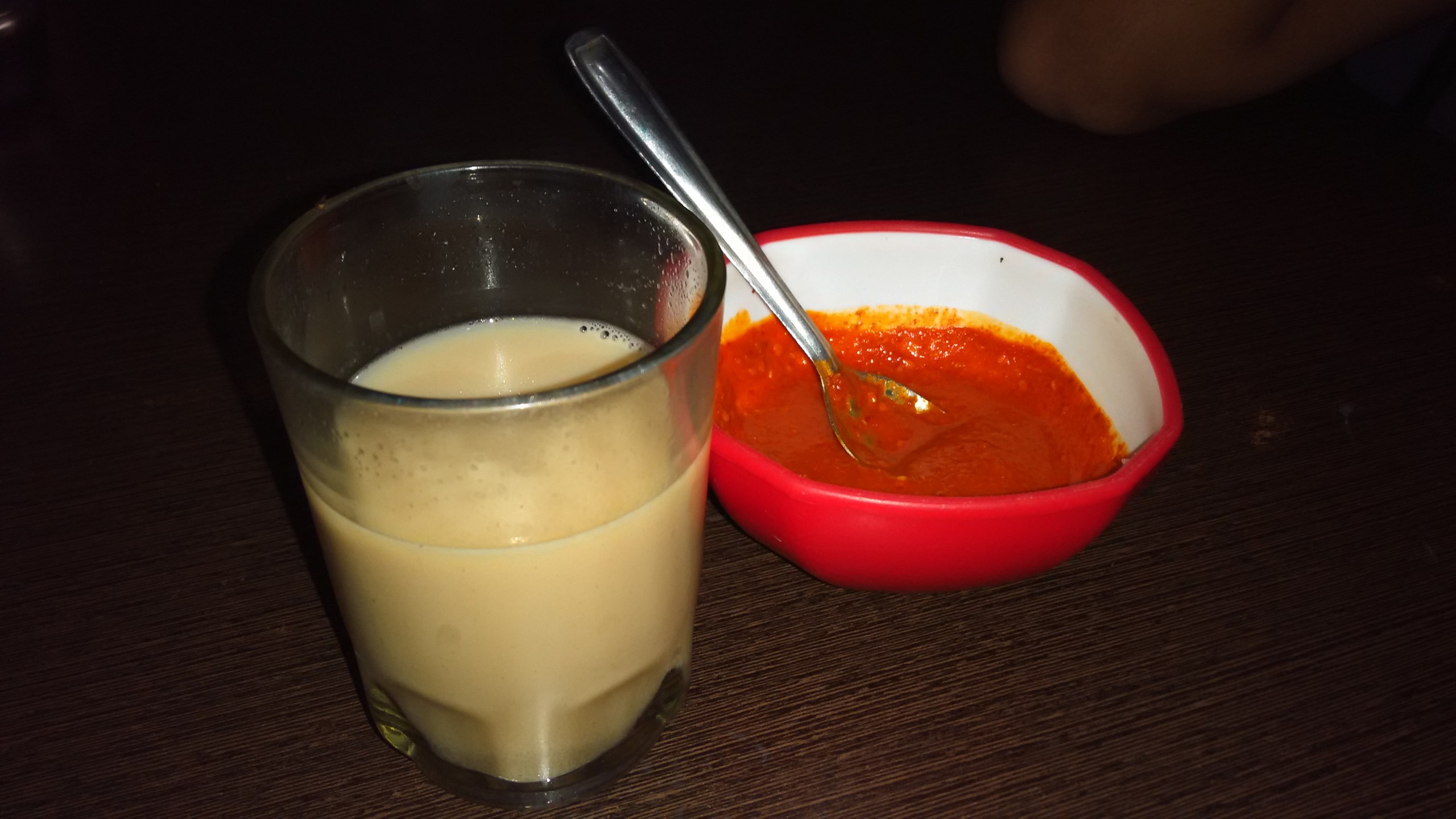
狮泉河镇与普兰县城茶馆里最聚人气的平民早午餐。红茶汁中加入优质奶粉或鲜牛奶与白糖熬煮,香甜丝滑,极似英式奶茶却更为醇厚。配上一碗加入草果肉蔻老汤煨煮的黄色粗藏面(碱水面),以及两颗馅料扎实的牦牛肉包子(Momo),是荒原旅人最慰藉的风味。

The heartbeat of teahouses in Shiquanhe and Purang. Strong black tea is boiled with milk powder and sugar, yielding a velvety hot sweet tea. Paired with a bowl of hearty alkaline noodles (Thukpa) in bone broth and steamed yak-meat dumplings (Momos).

体验坐标:Venue: 狮泉河镇迎宾路藏式老茶馆、塔钦镇茶馆Traditional teahouses along Yingbin Road in Shiquanhe and Darchen

西藏阿里藏家待客礼俗与用餐禁忌 Tibetan Dining Etiquette & Hospitality Traditions

1. “三口一杯”饮茶饮酒礼节:主人向客人敬茶或青稞酒时,客人须双手接过。敬酒时,客人先用右手无名指蘸酒弹向天空三下(一敬天、二敬地、三敬神祖),接着喝一小口,主人添满,再喝一口,再添满,第三口必须将整杯饮尽,表达对主人至诚的感谢与敬意。

1. The Three-Sips-One-Cup Protocol: When offered butter tea or barley wine, receive the cup with both hands. With wine, dip your right ring finger and flick three droplets upward (honoring heaven, earth, and deities). Sip slightly, allow the host to refill, sip again, and finish the cup on the third sip.

2. 酥油茶续杯礼节:主人端起茶壶为客人添茶时,客人切忌用手遮挡杯口,亦不可一口气将茶喝空立即放下。通常留在杯底一层,等主人再次斟满后双手轻托品啜;若不欲再饮,可在最后离席前轻盖茶碗或向主人合十致谢。

2. Tea Refill Etiquette: Never cover your cup while the host refills it. Leave a small amount in the cup rather than drinking it completely dry at once. If finished, gently thank the host with palms pressed together.

3. 饮食禁忌:藏传佛教传统与游牧习俗忌食鱼肉(西藏有水葬传统,视鱼为神圣渡生生灵)、狗肉、驴肉及马肉。在牧民帐篷就餐时,切勿跨过灶台或锅具,不可将脚底对准佛龛或长辈老人。

3. Food Taboos: Traditional Tibetans avoid fish (due to sacred water burial traditions), dog, donkey, and horse meat. In nomad tents, never step over the cooking hearth, and never point the soles of your feet toward the Buddhist altar or elders.